Most children arrive at The Little Schools speaking English as their primary language. At the same time, early childhood is one of the most remarkable periods for learning additional languages. Young children naturally absorb sounds, rhythms, and patterns of speech simply by interacting with the people around them.
The question for educators is not whether young children can begin learning a second language, it is how to introduce that language in a way that is joyful, authentic, and developmentally appropriate.
Many schools answer that question with scheduled language classes or full-immersion programs. While both approaches have merit, The Little Schools Approach to Early Childhood Education follows a different path. It believes children learn best when language becomes part of everyday life rather than a subject to study.
At The Little Schools, Spanish is the second language children hear most often because many members of the teaching team speak Spanish with their own families. Teachers are encouraged to share their language naturally throughout the day through songs, stories, greetings, conversations, gardening, meals, art, and play. When teachers speak other languages, they are encouraged to share those as well.
The goal is not to create a formal language curriculum. It is to create a community where children experience additional languages through genuine relationships with trusted adults.
This distinction is important.
Children do not learn their first language by memorizing vocabulary lists or completing worksheets. They learn because language is connected to people, emotions, routines, and experiences that matter to them. They listen long before they speak. They observe, imitate, and gradually begin to understand.
Research suggests that second-language acquisition is strengthened under many of these same conditions. Preschool children who encounter an additional language through play, conversation, songs, gestures, and daily routines often develop stronger listening skills, broader vocabularies, greater confidence, and increased cultural awareness than children whose exposure is limited to isolated lessons.
At The Little Schools, language is always connected to experience.
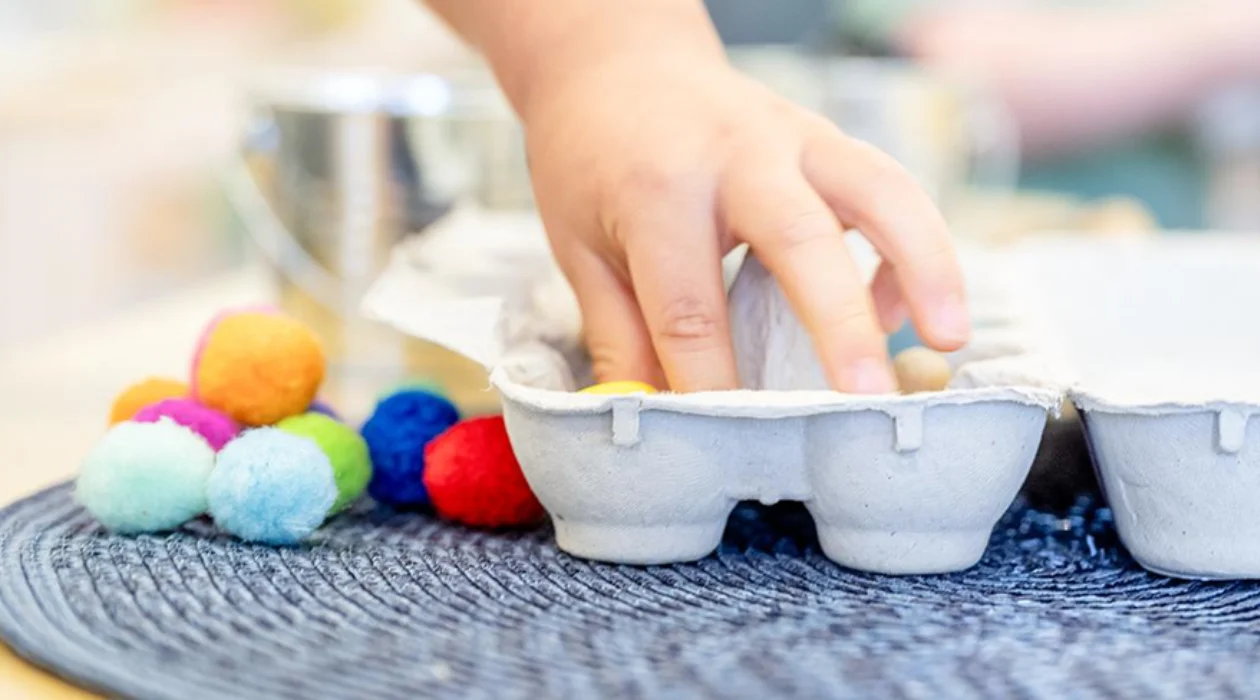
A teacher watering tomatoes might count in Spanish. Children harvesting herbs may hear the names of plants while touching, smelling, and tasting them. During snack, teachers naturally introduce words for colors, fruits, and everyday conversation. A familiar song during cleanup or a comforting phrase shared with a child becomes another opportunity to hear authentic language used with purpose.
Rather than asking children to practice vocabulary, the teachers invite them to participate in meaningful moments where language has context and relevance.
The indoor-outdoor environment strengthens this process.
Gardens become places where children discover language through direct experience. They watch seeds become vegetables, compare flowers, notice insects, describe changing weather, and care for living things. Because words are connected to real objects and real experiences, language becomes more meaningful and memorable.
Research from Yale’s National Initiative on place-based education has shown that authentic experiences help children connect observation, curiosity, and communication in ways that deepen learning. At The Little Schools, the outdoor classroom is not separate from education; it is an essential part of it.
The mixed-age community provides another powerful advantage.
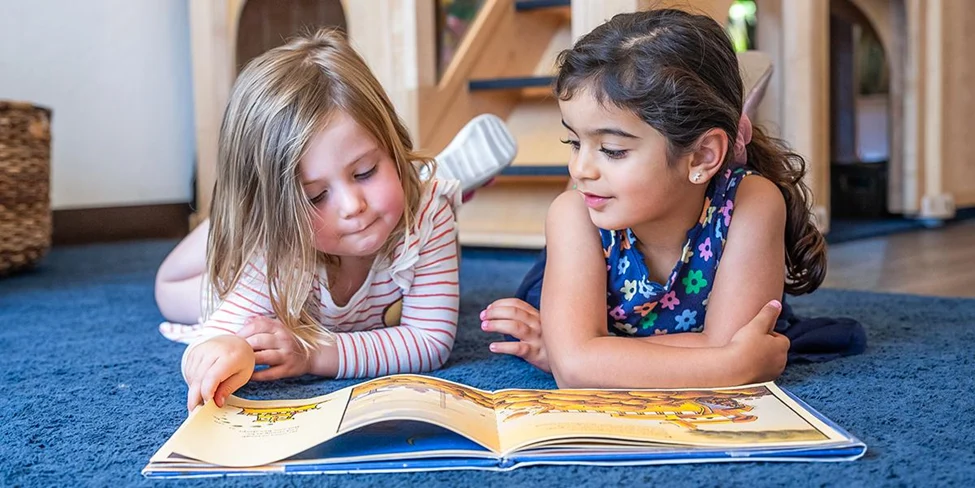
Older children naturally model conversation, storytelling, and social interaction for younger classmates. Younger children spend months listening before confidently joining in. These interactions create countless opportunities for children to hear language used naturally among peers as well as teachers.
Learning happens within a community rather than in isolation.
Play strengthens language development in equally important ways.
Children rarely ask why they should learn a new word while they are deeply engaged in imaginative play. They simply need language to continue what they are doing. A pretend grocery store invites conversations about food and numbers. Building a castle introduces words for direction, cooperation, and problem-solving. Gardening inspires discussions about weather, insects, colors, and growth.
Language becomes useful because children need it to communicate, not because they are asked to memorize it.
The role of the teacher is not to deliver language lessons but to enrich children’s experiences. Teachers notice children’s interests, respond to their curiosity, introduce new words naturally, and create an environment where communication feels meaningful and enjoyable.
The benefits extend beyond learning Spanish.
Children become comfortable hearing different languages and recognizing that people may express the same ideas in different ways. They develop curiosity about other cultures, confidence in communicating with others, and an appreciation for the diversity that exists within their own communities.
The model does not expect preschool children to become fluent in a second language.
Instead, it hopes they leave The Little Schools with something equally valuable: an ear for another language, the confidence to use familiar words and phrases, and the understanding that language is a bridge between people.
That foundation can last a lifetime.
As communities become increasingly interconnected, children will encounter many languages throughout their lives. By experiencing Spanish, and sometimes other languages, as a natural part of everyday relationships, they begin developing the curiosity, listening skills, and openness that support lifelong language learning.
The Little Schools Approach demonstrates that young children do not need language to be separated into a lesson in order to begin acquiring it. When language is woven into caring relationships, meaningful experiences, and joyful play, children discover that learning another language is simply another way of connecting with the world around them.